
How to Restore Storm Damage and Protect Your Home After Severe Weather
After severe weather, it’s normal to feel overwhelmed. One minute you’re listening to wind and rain, and the next you’re staring at a soaked ceiling, missing shingles, or water creeping across the floor. The good news: with the right steps, storm damage restoration can be straightforward and you can reduce the chance of long-term problems like mold, odors, and structural deterioration.
This guide walks you through what to do right after the storm, how to safely restore your home after storm damage, and the practical upgrades that help protect your home before the next round of bad weather.
What storm damage really does to a home (and why it gets worse fast)
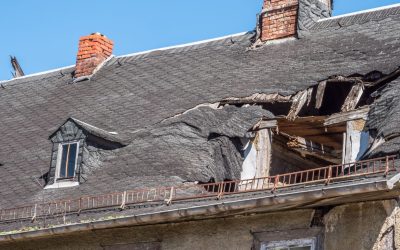
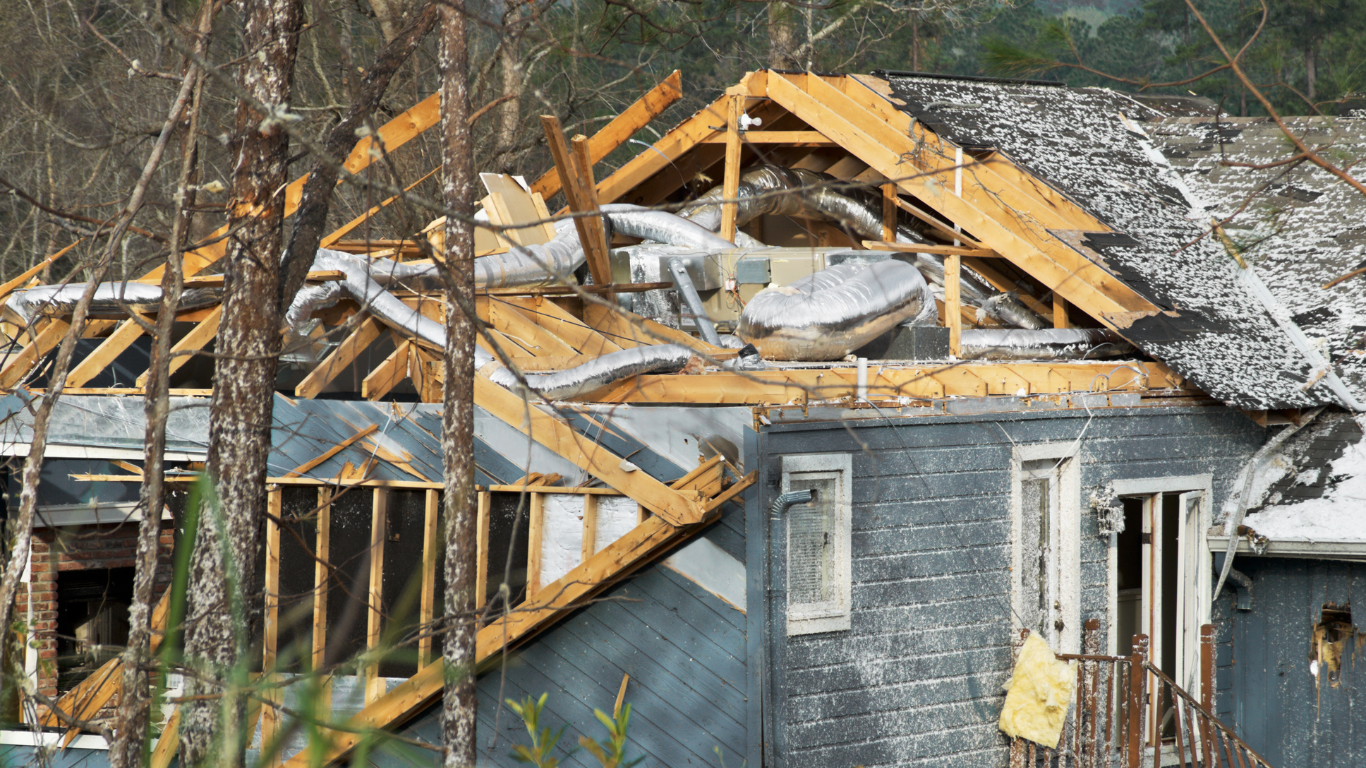
Storm damage does not always look serious at first. The damage starts with a small roof hole or a broken window seal, which permits water to flow into the building for an extended period. The actual problem begins when moisture starts to enter insulation, drywall, flooring, and framing materials before any visible damage occurs.
Storm issues include:
- Water infiltration through roof leaks, wind-blown rain, and floods soaks floors and walls.
- Moisture that is hidden behind walls in crawlspaces, at baseboards, and beneath cabinets remains damp and causes mold to develop.
- Storms can cause power outages or small fires. This may lead to smoke and lingering odors that leave residue.
- Floodwater debris, damaged building materials, and unknown substances need careful handling.
However, the main problem that property owners face is time. Water and mold can accumulate very rapidly, and “waiting for it to dry up” may cause more problems with restoration work than necessary.
Storm damage restoration: what to do in the first 24 hours
Day one involves ensuring your safety and limiting any further damage. If conditions are dangerous, then do not take chances. Storm damage repair is intended to address these issues.
1) Make it safe before you make it dry
If there are any signs of danger, such as electrical hazards, fallen wires, or structural instability, it is best to move people out of the way. When it is safe to do so, turn off electricity in flooded areas and refrain from operating any appliance that may have come into contact with water.
2) Stop the “active” damage
You need to use buckets to collect water from leaks, move valuable items from flooded areas, and use temporary solutions to cover all building openings. The goal is to prevent more water from entering while you line up proper repairs.
3) Document everything
The first step is to take photographs and make videos before you do anything else in the affected area. The team should take pictures of the damaged building from various angles, showing the damage to the water lines, roof, windows, and all wet contents of the structure.
4) Start drying, but don’t assume air alone is enough
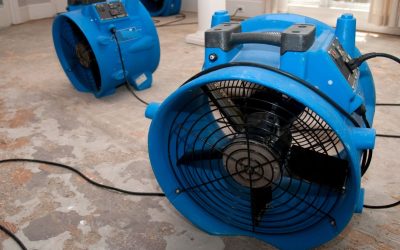
Fans and open windows provide cooling in mild weather, but stormwater creates problems that require professional drying services to resolve. Water Damage Restoration & Mitigation uses professional equipment to extract water from the site while maintaining humidity control and proceeding with the drying process to eliminate all moisture that has hidden behind walls and under floors.
Solving the biggest post-storm problems (water, mold, smoke, and debris)
Once the immediate danger passes, the next challenge is making sure the home is truly clean, dry, and stable, not just “looking better.” Here’s how the most common problems are typically solved.
Water damage: extraction, drying, and prevention
Rainwater can cause carpeting to become wet, wood to warp, and drywall to be damaged. This is not simply about getting rid of the water. It’s also about controlling the amount of moisture in the building structure and the surrounding air.
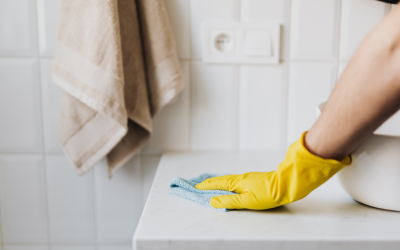
Also, don’t overlook your belongings. Contents Cleaning can address items affected by water exposure, while Contents Cleaning, paired with Contents Cleaning processes, can help you keep more of what you own instead of discarding it too soon.
Mold risk: why it shows up after storms
A flood isn’t necessary for mold to create moisture and time. Mold can grow in wall spaces, insulation materials, and areas such as closets and behind cabinets. The phenomenon occurs frequently after severe weather. This situation becomes more critical when there exists excessive water content. You should exercise caution when you detect a musty smell, notice fresh stains, or see your allergies start to worsen.
- The two key services involved include: Mold Inspections to identify where moisture is hiding and whether mold is present.
- Mold Removal & Remediation to safely remove affected materials and address the source of moisture so it doesn’t return.
Wiping mold away can spread spores and leave the real problem behind. Proper remediation means containing the area, removing the mold safely, and preventing it from coming back.
Fire or smoke issues caused by storms
Severe weather can leave behind more than visible damage. Power surges, lightning strikes, and generator issues can all spark fires or smoke problems. Even a small incident can leave stubborn odors and residue in drywall, fabrics, and HVAC systems. Fire damage restoration repairs affected materials, while smoke odor removal helps clear lingering odors and restore the space.
Smoke smell in a house that persists even after a vigorous air-out indicates that odor molecules are embedded in the space and require specialized measures for complete removal, not just masking.
Hazards and unknown materials
Storms introduce pollutants that enter through their various weather systems. Water moves from garages, sheds, and outdoor areas until it eventually reaches your house. Hazardous Material Inspections and Testing provides a solution when you need assistance with your current situation. The team identifies potential dangers. The team uses this method to achieve proper cleanup procedures. Your role becomes vital when you need to handle situations that involve the cleanup of broken items and waste. The process requires special attention when you detect strange smells or unusual substances.
When cleanup isn’t enough: rebuilding the right way
One of the most exasperating Aspects of recovery from storms is the realization that cleaning and drying isn’t only the initial steps. If the dry wall crumbles, if there are warped floors or swollen cabinets, then reconstruction is the course to take.
Reconstruction is where restoration becomes “home again.” Done correctly, it should address both appearance and performance repairing what’s damaged while improving durability where it makes sense. “If your storm damage restoration plan includes rebuilding, ask questions about what materials are being replaced, what needs to dry before closing walls, and how the repaired areas will be protected moving forward.
Actionable ways to protect your home before the next storm
People who have experienced severe weather events will develop a personal connection to disaster prevention. Your risk of repeating damage can be reduced through these practical and cost-effective steps.
- You need to conduct a property inspection after every significant storm. You should check for missing shingles, lifted flashing, clogged gutters, and downspouts that discharge water too close to the foundation.
- The team will close off the small openings. The team will install new weatherstripping to replace worn-out material, re-caulk windows, and address minor roof issues before they develop into significant leaks.
- Control indoor humidity. If your home experiences dampness after storms, you should establish a solution that includes professional drying services and subsequent Mold Inspections, which should be conducted as needed in areas such as bathrooms, closets, and laundry rooms.
- Keep a “storm kit” for quick response. Plastic sheeting, towels, a wet/dry vacuum (if safe), and a flashlight help you stabilize the situation until “help arrives.”s.
Don’t ignore odors. Musty or smoky smells could be early indicators. Smoke Odor Removal, as well as mold removal services, could eliminate the source, rather than mask it.
If you have a commercial property, Commercial Cleaning is your best choice. We offer services that return your building to its former glory by cleaning up after disasters caused by natural elements.
How to know you need professional help (and what to ask)
There are some cases when the effects of storms can be clearly seen, such as floods, collapsing ceilings, and mold growth. However, other cases might not be very noticeable, such as water leakage, wet insulation, or water under the floor.
Storm damage restoration services could be considered in cases where:
- Anything that you are viewing
- Staining, bubbling paint, or warping are visible
- A musty smell exists
- Mold is suspected, or mold inspections can be conducted
When you talk to a restoration team, ask them how they’ll check if materials are dry. Also, find out if they suggest Mold Inspections. Lastly, ask about the plan for cleaning personal items if they were damaged. Clear answers now can prevent surprises later.
Severe weather can leave you feeling like your home is out of your control, but the recovery process doesn’t have to be chaotic. With smart first steps, thorough water damage restoration & mitigation, and the right follow-through, mold remediation isn’t needed, smoke odor removal when applicable, and reconstruction done properly, you can restore storm damage and come out stronger before the next forecast turns serious. Don’t wait for storm damage to get worse. Contact us now and take the first step toward a safer, cleaner, fully restored home
To stay up to date with us, please follow our Facebook page.