
Top Causes of Water Damage in Baton Rouge Homes (And How to Prevent Them)
Situations can become difficult very quickly when water is present in South Louisiana. Water damage is among the most common problems properties experience in and around Baton Rouge, and it does not necessarily occur only during heavy rain. Sometimes it starts with something small that quietly gets worse over time.
At Relief Restoration, we spend a lot of time inside homes that look perfectly fine on the outside but hide serious moisture problems behind walls, under floors, or above ceilings. This article breaks down the most common causes of water damage in local homes and what you can do to lower your risk.
Why Water Damage Is So Common in Our Area
This situation is affected by a combination of factors, including high humidity, heavy rain, and the age of the buildings. Along with the hurricane season and thunderstorms in the afternoons, maxing out the moisture issues, water damage is the uninvited guest who will be present no matter whether your house is a recent or old one, just give it a crack and time.
The good news is that many causes of water damage are preventable when you know what to watch for.
Heavy Rainfall and Flooding
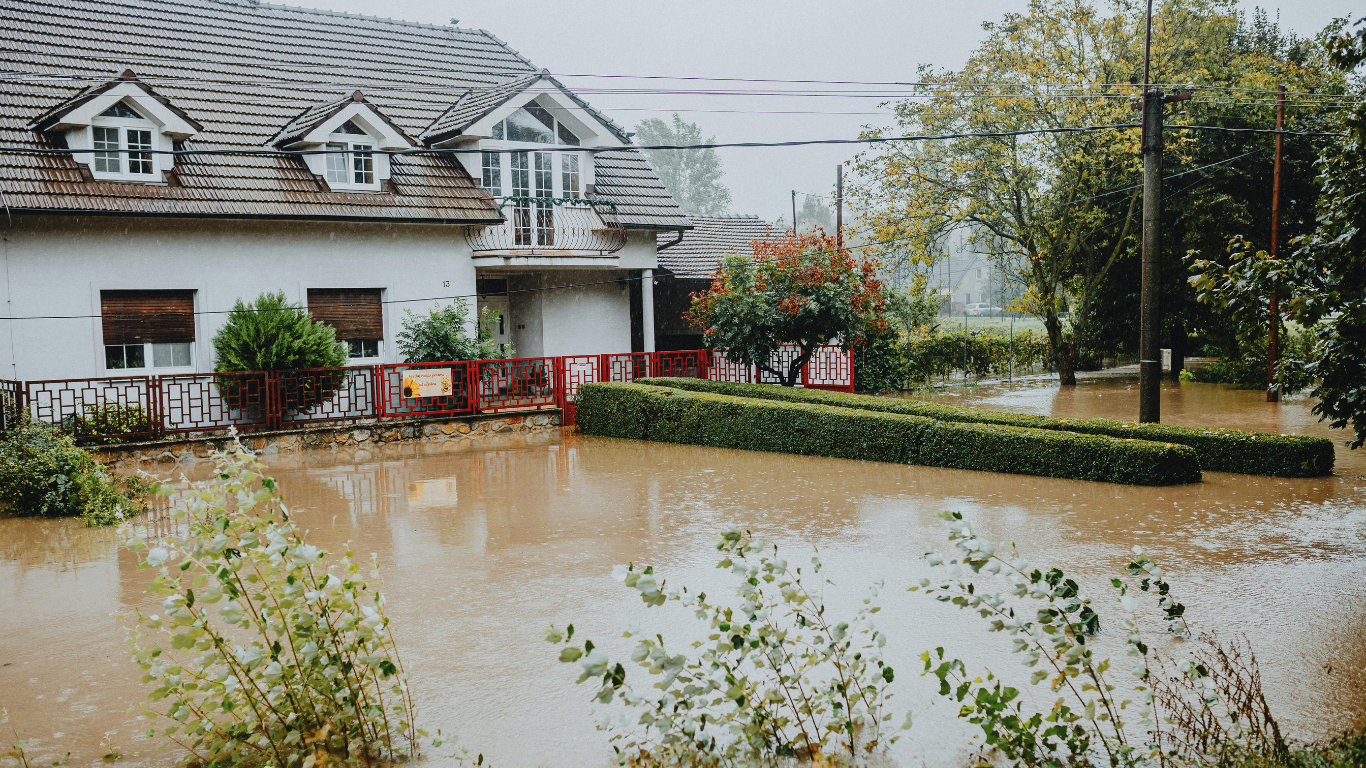
Storms in South Louisiana can bring heavy rain within minutes. When the ground is completely soaked, water will flow to the lowest point, which usually means towards the house, its garage, and crawl space. If there is poor drainage around the house, the problem will get even worse. Water can pass through tiny cracks in the foundation or accumulate at entry points. Homeowners commonly detect water by musty odors, peeling paint, or dark areas at the bottoms of walls days after the rain has stopped. You can reduce the risk by keeping gutters clean and ensuring that downspouts direct water away from your house. The ground should be inclined away from the foundation rather than towards it. After a rainstorm, walk around your property to check for areas where water is not draining away. If it keeps appearing in that same place, then that area needs to be dealt with.
Hurricanes and Tropical Storms
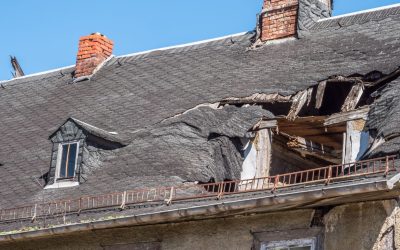
Hurricanes and tropical storms not only bring rain but also cause water issues in places where they had not been before, such as under shingles or behind siding. Even a minor roof problem can allow water to travel into attics and walls.
A lot of the time, homeowners are not aware of water damage until weeks later, when the insulation is still wet, and mold has started to grow. It is then that the repairs become more complicated.
Scheduled roof checks can promptly uncover problems such as loose shingles and damaged flashing. After a significant storm, look for discoloration on the ceilings and listen for any dripping sounds. If something doesn’t seem right, go with your gut.
Plumbing Leaks and Pipe Problems
Plumbing problems cause some of the most bothersome water damage because they often remain hidden. A minute drip under the sink or inside the wall can go on dripping for months before anyone realizes it. Old pipelines and joints constantly weaken with age, especially in homes built several decades ago. Indicators of water damage from plumbing include increased water bills, pressure loss, wet cabinets, and musty odors. The floors may be soft or uneven in the areas around the bathrooms or kitchens. It is a good idea to check the areas under the sinks and around the toilets every few months to detect problems early. If your house has old plumbing, the best way to identify potential weak points in the system before they break down is to have a professional inspection.
HVAC and Appliance Issues
Air conditioners work hard in the Louisiana heat, and that creates condensation. When drain lines clog or drip pans overflow, water backs up and spills into ceilings or walls. We see this a lot during peak summer months.
Louisiana’s sweltering temperatures force air conditioning units to operate at full capacity, which, in turn, causes water vapor to be released. Not surprisingly, we most often notice this during the hottest summer months. If drains get blocked or the pans overflow, the water will eventually find its way to the walls or ceilings. Washing machines, dishwashers, and water heaters are some of the appliances that can lead to water damage when their hoses are cracked or connections loose. Sudden faults sometimes cause these vulnerabilities. Preventive maintenance for air conditioning systems will ensure that the condensate drain lines remain unblocked. Changing the hoses on appliances every few years might seem unnecessary, but it can save you from incurring substantial repair costs later. Regularly checking behind the appliances can really help in the long run.
Poor Drainage and Foundation Problems
Soil in this region expands and contracts as moisture levels change. That movement can stress foundations and cause small cracks. Water finds those cracks quickly.
Houses with crawl spaces are at higher risk. The water vapor condenses under the house and gradually penetrates the floor and wall framing above. The moisture eventually deteriorates the building materials, weakening their support. Foundation sealants, a sound drainage system, and vapor barriers are the primary methods for combating moisture in crawl spaces. Fundamental activities like ensuring proper airflow in the room and checking humidity levels can help a lot prevent water damage.
Mold as a Follow-Up Problem
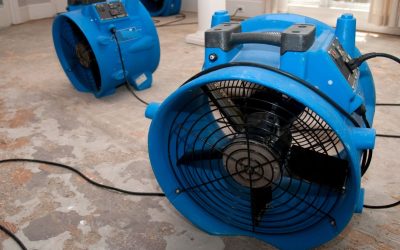
Water damage seldom comes by itself. The presence of moisture always invites mold to some extent. Molds rapidly multiply in warm, humid environments, making our climate ideal for them. Mold can thus deteriorate indoor air quality and cause allergies or respiratory problems. In addition, it can cause decay of building materials if left untreated. Eliminating any water event requires rapid drying of the affected areas. Fans and dehumidifiers can help, but the professional drying equipment can reach places that household tools can’t. At Relief Restoration, we frequently discover moisture that is not visible on the surface and is therefore left behind.
When to Get Professional Help
Water damage can be a slow process before it finally reveals itself. It is a case of “deeper” if you notice strange smells, wet areas that are constantly wet, or changes in appearance on the flooring or walls. The cleaning methods employed by a non-professional work for minor issues, but larger or hidden moisture problems require trained eyes and proper equipment. The expert restoration method includes identifying the source, thoroughly drying the building, and preventing future damage.
Our team at Relief Restoration believes in giving homeowners clear information and honest answers. We live here too, and we understand how stressful water damage can feel when it disrupts your home.
Keeping Water Damage from Catching You Off Guard
Water damage is part of life in South Louisiana, but it does not have to catch you off guard. Minor adjustments, system maintenance, and quick reactions can save larger issues later on. Baton Rouge’s housing market has its peculiarities; however, well-informed, timely measures can significantly improve the situation. Being up to date gives you greater power when water attempts to deprive you of it.